Timeless Wisdom for Leading with Purpose, Resilience, and Integrity
Leadership isn’t just a role—it’s a reflection of character. Regardless of your position, true leaders embody the virtues passed down through antiquity. For those committed to leading with integrity, accountability, and an unwavering pursuit of excellence, here’s a curated list that blends timeless wisdom with the demands of today’s challenges.
1. Meditations
Marcus Aurelius (Author), Gregory Hays (Translator)
Brief Description:
“Meditations” isn’t just a collection of thoughts—it’s a tactical guide for navigating chaos and responsibility. Marcus Aurelius, a Stoic philosopher and one of Rome’s greatest emperors, lays out the blueprint for mastering yourself so you can lead others. His wisdom resonates deeply with anyone under constant pressure to deliver. Aurelius doesn’t deal in lofty ideals; he delivers practical tools for clarity, resilience, and purpose in a world that thrives on distraction and noise.
Key Insight:
Leadership isn’t a title; it’s a choice—one you make every day. Marcus teaches that controlling your inner world is the first step to managing the outer one. His philosophy is a masterclass in staying calm, decisive, and accountable under fire.
Nuggets to Chew On:
- “…do everything as if it were the last thing you were doing in your life, and stop being aimless…"
(Focus matters. Don’t waste time on work that doesn’t align with your purpose.) - “People who labor all their lives but have no purpose to direct every thought and impulse toward are wasting their time—even when hard at work.”
(Busyness isn’t progress. Purpose is your compass—find it and stick to it.) - “False friendship is the worst. Avoid it at all costs. If you’re honest and straightforward and mean well, it should show in your eyes. It should be unmistakable.”
(Authenticity isn’t optional. Lead with honesty, or don’t lead at all.)
Purchase Link:
2. Aristotle’s Nicomachean Ethics
Aristotle (Author), Robert C. Bartlett (Translator), Susan D. Collins (Translator)
Brief Description:
“Nicomachean Ethics” isn’t just philosophy—it’s a handbook for living well. Aristotle invites us to rethink what it means to aim high, emphasizing balance and purpose over extremes. This isn’t about chasing fleeting wins; it’s about building a life—and a legacy—rooted in thoughtful, ethical choices. Aristotle’s wisdom challenges us to take ownership of our actions, cultivating habits that turn good intentions into lasting excellence.
Key Insight:
Excellence isn’t accidental. Aristotle’s golden mean reminds us that every moment is a choice: too much, and you lose sight of the goal; too little, and you never reach it. Success comes from striking the right balance, whether in relationships, work, or personal growth. The consistent practice of virtue creates the kind of trust, influence, and fulfillment that others aspire to follow.
Nuggets to Chew On:
- “Honor is the prize of virtue and is assigned to those who are good.”
(The world respects those who lead with integrity. Earn it, don’t demand it.) - “All flatterers are servile, and all lowly types are flatterers.”
(Don’t confuse flattery with respect. The truth, though harder to hear, is what shapes greatness.) - “For people choose the pleasant things but avoid the painful.”
(If it’s too easy, it probably isn’t worth doing. Real growth comes from facing what others avoid.)
Purchase Link: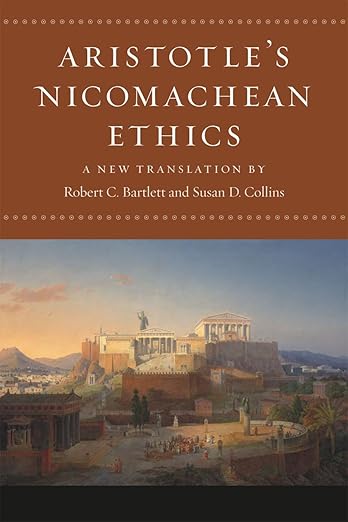
3. Servant Leadership: A Journey into the Nature of Legitimate Power and Greatness 25th Anniversary Edition
Robert K. Greenleaf (Author)
Brief Description:
“Servant Leadership” isn’t just a leadership style—it’s a revolution in how we think about power. Robert K. Greenleaf challenges the status quo by flipping leadership on its head: true leaders don’t command—they serve. It’s about lifting others up, creating environments where people can thrive, and using power as a tool for empowerment, not dominance. This philosophy resonates far beyond the workplace, offering a blueprint for cultivating trust, fostering collaboration, and building something bigger than yourself.
Key Insight:
The best leaders don’t seek control—they seek to make others better. Greenleaf reminds us that leadership isn’t about being the loudest voice in the room or wielding authority. It’s about listening, supporting, and clearing obstacles so others can excel. Servant leadership builds loyalty, resilience, and momentum because it’s rooted in humility and purpose.
Nuggets to Chew On:
- “The wise are not necessarily scholars, and scholars are not necessarily wise.”
(Wisdom isn’t about credentials; it’s about seeing what others miss and acting with clarity.) - “The trouble with coercive power is that it only strengthens resistance.”
(Force creates friction. Influence, grounded in service, creates alignment.) - “The people are the institution!”
(An organization is only as strong as its people. Serve them, and you’ll strengthen everything else.)
Purchase Link:
4. Maslow on Management
A.H. Maslow (Author)
Brief Description:
“Maslow on Management” isn’t just about motivation—it’s about unlocking potential. Abraham Maslow takes his iconic hierarchy of needs and reframes it for leadership. The result? A playbook for creating environments where people don’t just survive—they thrive. This book pushes you to think beyond productivity metrics, showing how fulfilling deeper psychological needs can transform individuals and teams. For anyone managing people, it’s a lesson in humanity: when you nurture purpose, autonomy, and growth, you’re not just managing—you’re leading.
Key Insight:
People aren’t driven by paychecks alone—they’re driven by purpose. Maslow teaches that meaningful work, aligned with personal values and growth, is what fuels true engagement. It’s not just about getting the job done; it’s about creating a connection between effort and impact. When leaders prioritize purpose, they unlock motivation that no paycheck can buy.
Nuggets to Chew On:
- “The only happy people I know are the ones who are working well at something they consider important.”
(Purpose isn’t optional. People need to believe their work matters—help them find it.) - “Everybody seems to be aware at some level of consciousness of the fact that authoritarian management outrages the dignity of the worker.”
(Respect matters. Micromanagement kills creativity, trust, and motivation.) - “Healthy people have no need for power over other people; they don’t enjoy it, they don’t want it, and they will use it only when there is some factual need in the situation for it.”
(Leaders use influence—not to dominate, but to empower. Power is a tool, not a weapon.)
Purchase Link: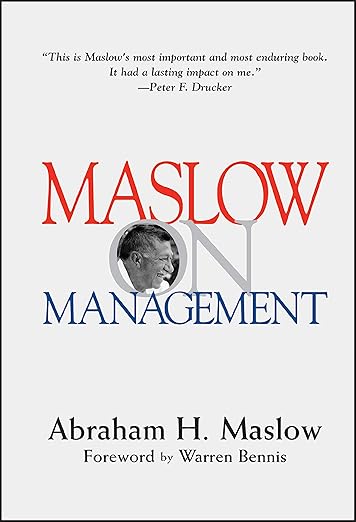
5. Team of Teams: New Rules of Engagement for a Complex World
General Stanley McChrystal (Author), Tantum Collins (Author), David Silverman (Author), Chris Fussell (Author)
Brief Description:
“Team of Teams” redefines what it means to lead in a world where change is the only constant. General Stanley McChrystal and his co-authors take lessons forged in the chaos of war and translate them into a playbook for modern organizations. The old models—rigid hierarchies, micromanagement, and silos—don’t work anymore. Instead, they champion something bold: a networked approach where trust, transparency, and empowered teams create unstoppable momentum. This isn’t about controlling complexity; it’s about thriving in it. If you’re looking to build a culture that’s fast, adaptive, and unshakably aligned, this is your guide.
Key Insight:
Leadership today is about enabling, not commanding. McChrystal shows us that the fastest, smartest organizations break down barriers, decentralize authority, and trust their people to act. By empowering teams to operate independently while staying connected through shared purpose, you’ll build resilience and agility—not just to survive chaos, but to dominate it.
Nuggets to Chew On:
- “Attempt to control complex systems by using the kind of mechanical, reductionist thinking championed by thinkers from Newton to Taylor—breaking everything down into component parts, or optimizing individual elements—tends to be pointless at best or destructive at worst.”
(Complexity can’t be controlled. The best organizations adapt.) - “Resilience thinking is the inverse of predictive hubris.”
(Stop trying to predict every move. Build systems that flex and thrive no matter what comes.) - “More important, and more surprising, we found that, even as speed increased, and we pushed authority further down, the quality of decisions actually went up.”
(Trusting your teams isn’t just the right thing to do—it’s the smart thing.)
Purchase Link:
Rise to the Challenge
This list is intentionally short. Not because the wisdom ends here, but because focus is more important than volume. Master a few principles and practice them relentlessly. That’s how great leaders are forged—not by knowing everything, but by doing the right things consistently.
Leadership, as Marcus Aurelius taught, starts with mastering yourself. It’s Aristotle’s golden mean in action—striking balance in every choice. It’s Greenleaf’s call to serve, Maslow’s insistence on purpose, and McChrystal’s demand for adaptability.
These aren’t just ideas; they’re blueprints for action. Take them, live them, and transform not only your teams but yourself. The world doesn’t need more bosses—it needs more leaders.
Now, go lead with courage, clarity, and purpose.
—Gunny
Affiliate Disclaimer:
Some links on this page are affiliate links, which means I may earn a commission if you make a purchase through them. This comes at no additional cost to you and helps support the content I create. Thank you for your support.